Quick summary: Is Hair Transplant Surgery Safe?
- Hair transplantation can be a safe and effective procedure when performed at a reputable clinic by an experienced specialist.
- Proper patient assessment, careful treatment planning, and adherence to medical standards are essential.
- Entrusting the procedure to individuals without the appropriate qualifications may increase the risk of complications and unsatisfactory results.
- Choosing a trusted clinic and a qualified physician is therefore crucial for both patient safety and successful outcomes.
Spis treści
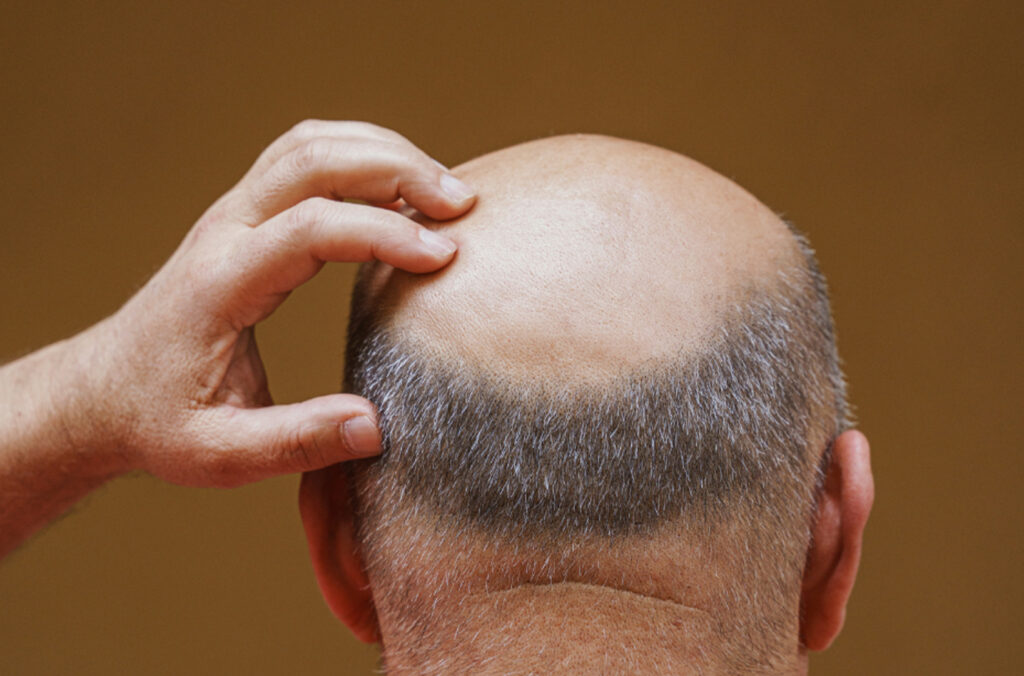
Hair transplantation is an increasingly popular solution for people experiencing hair loss and baldness. For many patients, it offers an opportunity to restore their natural appearance, regain self-confidence, and improve their overall quality of life. Advances in modern hair restoration techniques have made the procedure increasingly precise, with results that can look very natural. However, one important question remains: Is hair transplant surgery safe?
The answer is yes. Hair transplantation can be a safe and effective procedure, provided it is performed at a reputable clinic by a properly qualified and experienced physician, following appropriate medical standards. Other important factors include a thorough patient assessment, careful treatment planning, and proper postoperative care.
Unfortunately, some clinics on the market operate differently. In certain facilities, significant stages of hair transplantation are delegated to individuals referred to as technicians, sometimes without adequate medical supervision or the direct involvement of a physician. Such practices may result not only in unsatisfactory aesthetic outcomes but also in an increased risk of complications. This is why choosing the right clinic and specialist should be one of the most important decisions a patient makes before undergoing hair transplant surgery.
Is Hair Transplant Surgery Safe?
Modern hair transplantation is a surgical procedure that, when properly planned and performed, generally has a favourable safety profile. The most commonly used techniques, such as FUE (Follicular Unit Extraction), involve extracting individual follicular units from the donor area and carefully implanting them into areas affected by hair loss.
The procedure is usually performed under local anaesthesia, which helps minimise discomfort during surgery. However, like any surgical intervention, hair transplantation carries certain risks. Temporary swelling, redness, minor bleeding, scalp tenderness, itching, and temporary changes in sensation may occur.
In most cases, these symptoms resolve during the healing process. However, less common complications are also possible, including infections, abnormal wound healing, scarring, skin necrosis, or poor graft survival.
This is precisely why it is so important to have the procedure performed in an appropriate medical environment, using established protocols and under the responsibility of a qualified physician.
Why Can Hair Transplants Performed by Technicians Be Risky?
One of the most important issues concerning the safety of hair transplantation is the scope of responsibilities and qualifications of the individuals performing different stages of the procedure.
Some clinics operate on a model in which a substantial part of the procedure is carried out by individuals referred to as hair transplant technicians. However, it is important to remember that hair transplantation is a medical and surgical procedure, not simply a cosmetic treatment. It requires anatomical knowledge, an understanding of skin and hair follicle physiology, surgical skills, and clinical experience.
It is particularly important that a physician is responsible for assessing the patient’s suitability for surgery, planning the procedure, selecting the appropriate technique, evaluating the donor and recipient areas, and performing medical procedures that require a physician’s qualifications. Certain tasks may be delegated only within the limits of applicable regulations and professional competencies, with appropriate medical supervision.
When essential stages of hair transplantation are performed by individuals without the necessary qualifications and training, the risk of errors may increase significantly.
What Are the Potential Consequences of an Incorrectly Performed Hair Transplant?
An improperly performed hair transplant can lead to both medical and aesthetic problems. Potential consequences include:
- Damage to hair follicles – improper extraction or implantation techniques may damage grafts and reduce their ability to grow.
- Overharvesting of the donor area – poorly distributed extractions can result in visible thinning and uneven hair density at the back or sides of the scalp.
- An unnatural hairline – insufficient experience and inadequate planning may result in an artificial-looking frontal hairline.
- Incorrect hair growth direction – improper implantation angles and directions may cause transplanted hair to grow in an unnatural pattern.
- Increased risk of infection and other complications – failure to follow sterile procedures, improper surgical techniques, and inadequate medical care may increase the risk of complications.
- Unsatisfactory final results – poor planning of graft numbers and placement may lead to insufficient hair density.
It is important to remember that a failed hair transplant can be difficult to correct. Donor hair resources are limited, so every improperly performed procedure may reduce the options available for future corrective surgery.
How Can You Recognise a Reputable Hair Transplant Clinic?
Choosing a clinic should involve carefully checking its experience, medical standards, and staff qualifications. Patients should not make their decision based solely on an attractive price, advertising, or before-and-after photographs.
There are several important factors worth considering before making a decision.
1. The Physician’s Qualifications and Experience
The most important factor is the physician responsible for the hair transplant. Patients should check their medical education, professional experience, surgical training, and the number and types of procedures they have performed.
A good specialist should be able to explain the entire procedure, outline potential risks, and answer questions about both expected results and possible complications.
2. An Individual Consultation and Medical Assessment
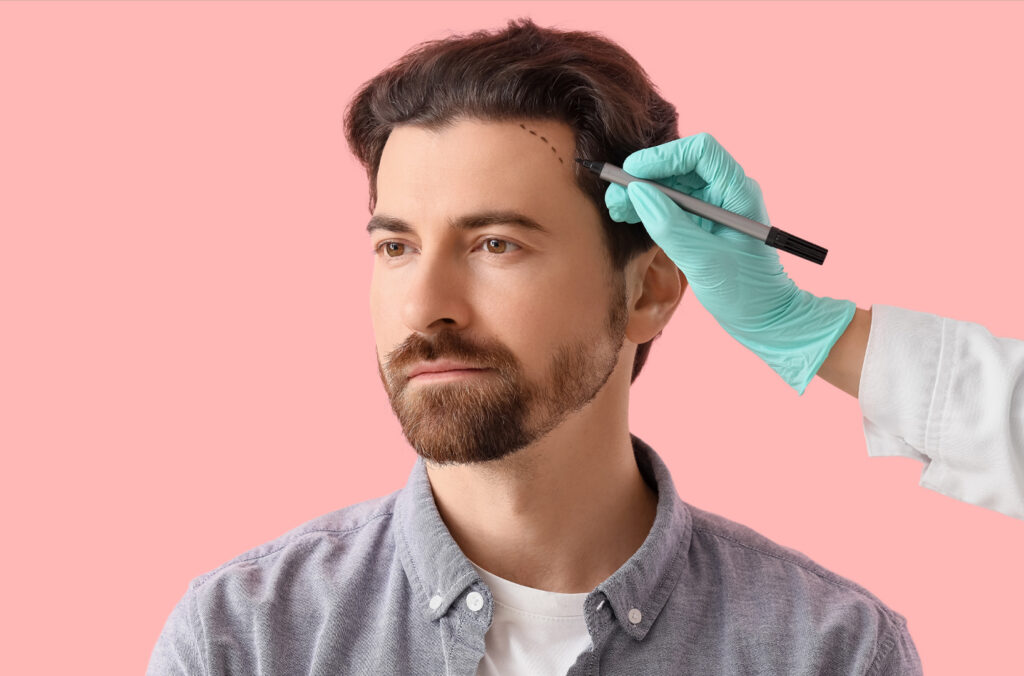
A reputable clinic should not recommend hair transplantation to every patient without first conducting a thorough assessment. Before surgery, it is essential to evaluate the cause of hair loss, scalp condition, donor area quality, and the likely progression of hair loss.
Not every patient is a suitable candidate for transplantation. In some cases, conservative treatment, stabilisation of hair loss, or postponing surgery may be a better option.
3. Clear Responsibilities During the Procedure
Patients should know who will perform each stage of the hair transplant. It is worth asking whether the physician personally performs the key surgical steps and who is responsible for extracting and implanting the follicular units.
Transparency in this area is an important indicator of a professional approach to patient care.
4. Hygiene and Safety Standards
The procedure should take place in a properly equipped medical facility, following strict aseptic and antiseptic protocols. The clinic should have procedures in place for managing potential complications and should provide appropriate postoperative care.
5. Postoperative Care and Follow-Up Appointments
The safety of a hair transplant does not end when the patient leaves the clinic. Proper instructions regarding scalp care, hygiene, physical activity, and healing are essential. Patients should also have access to the clinic if they have concerns and be able to attend follow-up appointments.
Should a Low Hair Transplant Price Be a Cause for Concern?
Hair transplant prices can vary depending on the clinic, surgical technique, number of grafts being transplanted, and the experience of the medical team. An attractive price does not automatically mean that a procedure will be unsafe. However, patients should be cautious about offers that are significantly cheaper than the market average, particularly when the scope of services and the responsibilities of the medical staff are not clearly defined.
Hair transplantation requires precision, appropriate medical facilities, and extensive experience. Cutting corners when it comes to the quality of care may prove costly, especially if complications need to be treated or unsatisfactory results require corrective surgery.
Before signing an agreement, patients should carefully check what is included in the price, who will perform the procedure, and what kind of support will be available after surgery.
When Can the Safety and Results of a Hair Transplant Be Assessed?
Hair transplant results are not immediately visible. After surgery, the scalp needs time to recover. During the first few weeks, transplanted hairs may fall out. This is a natural stage of the process known as shock loss and does not automatically mean that the procedure has been unsuccessful.
New hair growth usually begins after several months. More noticeable results can generally be seen after approximately 6–9 months, while a more complete assessment of the final outcome is usually possible after 12 months, and sometimes even later.
During this period, regular follow-up appointments, following the physician’s instructions, and monitoring the healing process are all important.

Summary: Is Hair Transplant Surgery Worth Considering?
Hair transplantation can be a safe and effective treatment for hair loss, but the key factor is choosing the right medical professional to perform the procedure. A reputable clinic, an experienced physician, proper patient assessment, appropriate medical facilities, and professional postoperative care are essential elements in reducing the risk of complications.
Patients should not base their decisions solely on price or promises of spectacular results. It is worth carefully checking the specialist’s qualifications, finding out who performs each stage of the procedure, and ensuring that the clinic operates in accordance with applicable medical standards.
When it comes to hair transplantation, safety should always come before price. This is a procedure whose results may remain with a patient for many years. Choosing the right specialist is therefore an investment not only in appearance but, above all, in one’s health.
Learn more about hair transplants HERE.
If you’re considering treatment, feel free to CONTACT US.
Follow us on Instagram and TikTok.
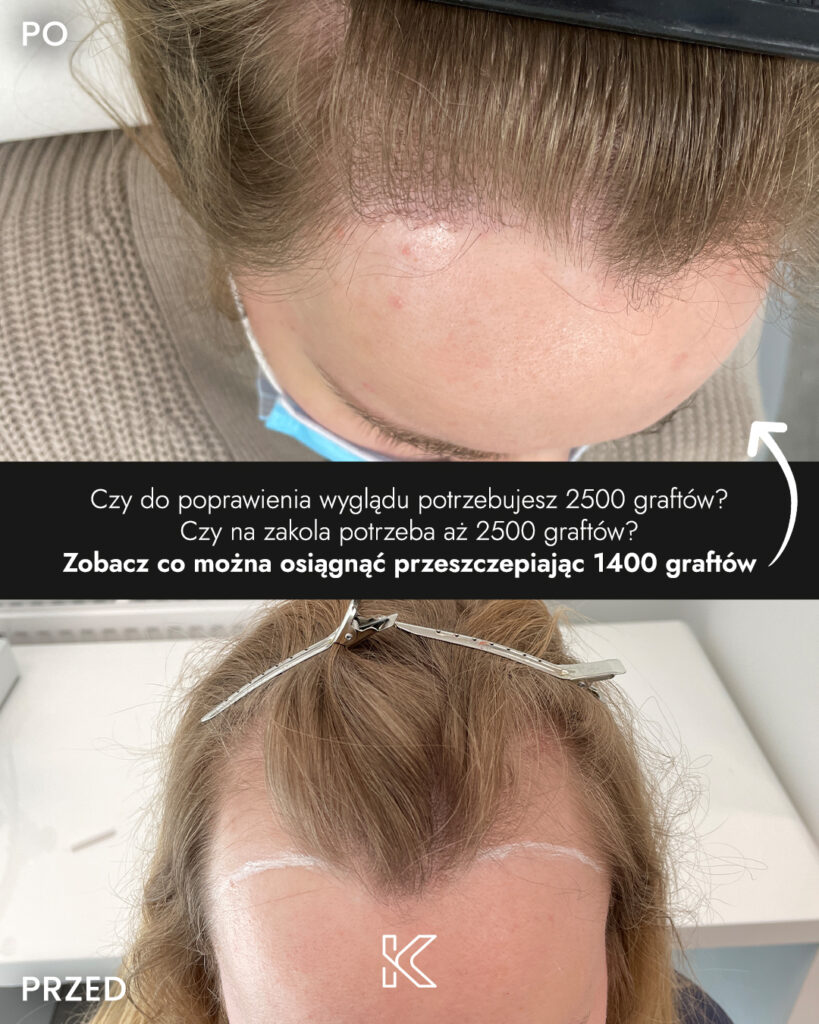
See real transplant results at Kierach Medical Clinic.
Is hair transplant surgery safe?
Yes, hair transplantation can be a safe procedure when the patient is properly assessed and the surgery is performed by a suitably qualified physician in a facility that meets appropriate medical standards. However, like any surgical procedure, it carries a risk of complications.
Is a hair transplant performed by technicians safe?
This depends on the specific tasks performed by the technicians, their qualifications, and the level of medical supervision. Procedures requiring medical qualifications should be performed by a physician. Assigning essential stages of surgery to individuals without the necessary qualifications may increase the risk of errors, complications, and unsatisfactory results.
What are the most common complications after a hair transplant?
Potential complications include swelling, redness, infections, bleeding, changes in sensation, abnormal healing, and scarring. Damage to hair follicles or unsatisfactory aesthetic results may also occur.
Can a hair transplant fail?
Yes. Improper surgical techniques, inadequate patient assessment, poor donor area quality, and other factors may affect the final outcome. This is why the physician’s experience and individual treatment planning are so important.