Quick summary: HIV and Hair Transplant
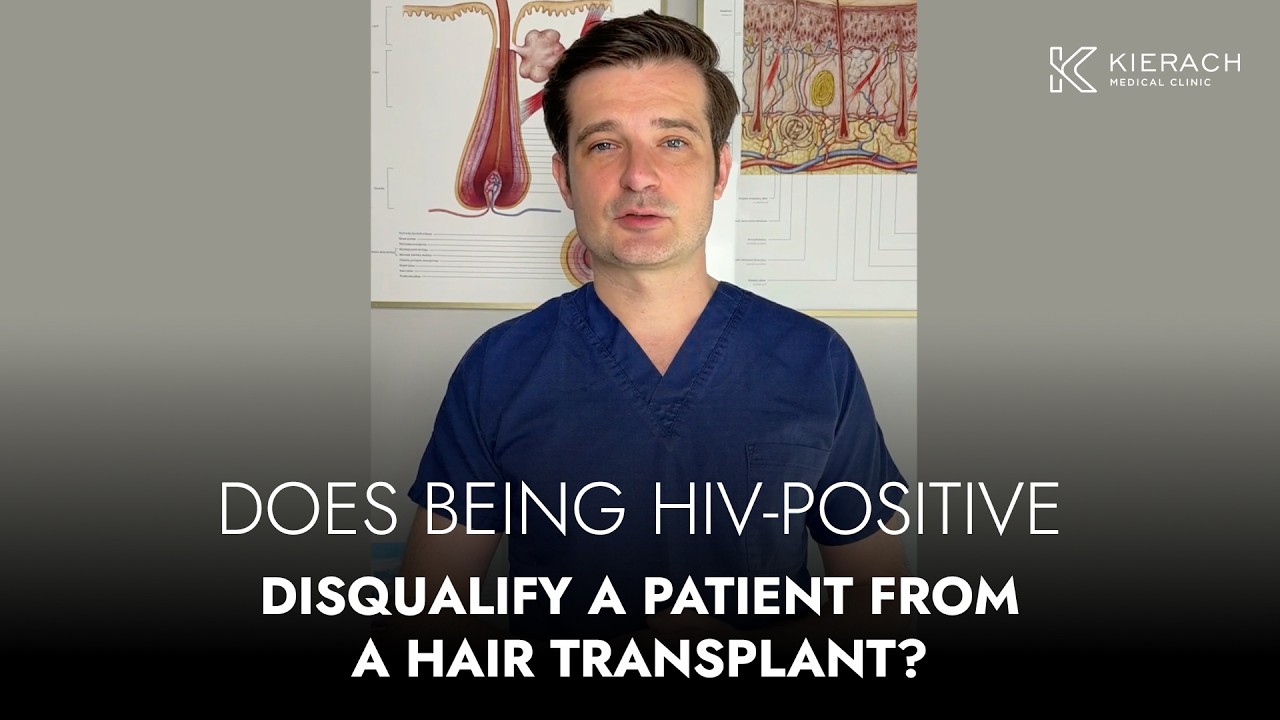
- Being HIV-positive does not necessarily disqualify a patient from undergoing a hair transplant.
- Effective antiretroviral therapy and an undetectable viral load are important factors to consider.
- Before the procedure, the patient must undergo an individual medical assessment and eligibility evaluation.
- The final decision to proceed with the transplant is made by the doctor based on the patient’s test results and overall health.
Learn more about hair transplants HERE.
If you’re considering treatment, feel free to CONTACT US.
Follow us on Instagram and TikTok.
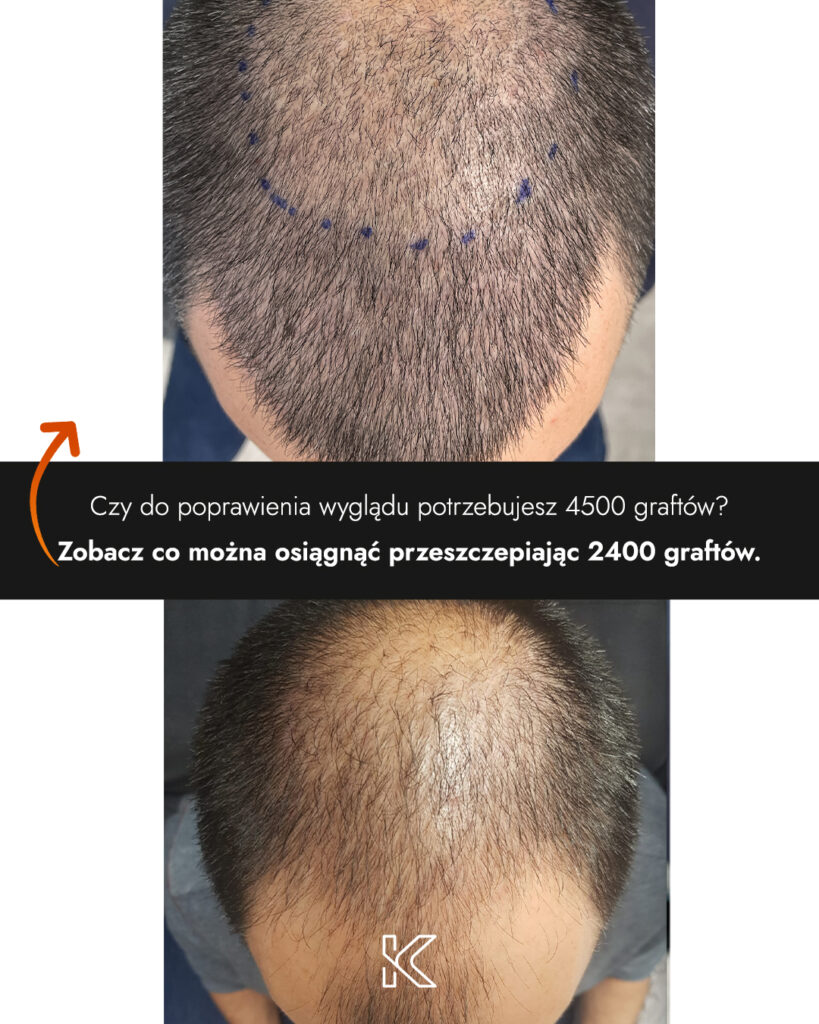
See real transplant results at Kierach Medical Clinic.


Can a person living with HIV undergo a hair transplant?
Yes, HIV infection does not automatically disqualify a patient from undergoing a hair transplant. However, the patient must meet the medical eligibility criteria and be approved for the procedure by a doctor.
Does an undetectable HIV viral load make a hair transplant possible?
An undetectable viral load while receiving effective antiretroviral therapy is an important factor in the eligibility assessment. The doctor will also evaluate the patient’s overall health and other test results.
Should patients disclose their HIV status to the hair transplant clinic before the procedure?
Yes, patients should inform their doctor about their HIV status and any medications they are taking. This helps the medical team plan the procedure appropriately, protect the patient’s health, and follow the relevant medical protocols.
Does a hair transplant carry a higher risk of complications for people living with HIV?
The risk depends on factors such as how well the infection is controlled, the patient’s immune function, and their overall health. An individual medical consultation helps assess the safety of the procedure and identify any potential contraindications.