Quick summary: Correcting an Unsuccessful Hair Transplant
- Correcting an unsuccessful hair transplant is often possible, but the extent of improvement depends on the cause of the problem, the condition of the scalp, and the availability of donor hair.
- Common issues include an unnatural hairline, insufficient density, incorrect hair growth direction, and visible scarring.
- Depending on the individual case, treatment may involve an additional transplant, hairline correction, or non-surgical techniques.
- A specialist assessment and a realistic treatment plan are essential to achieving the most natural-looking result possible.
Spis treści
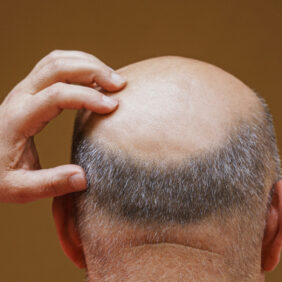
A hair transplant is intended to restore hair and achieve a natural-looking result. However, not every procedure delivers the outcome a patient hoped for. In some cases, the hairline may look unnatural, the density may be insufficient, or the transplanted hair may grow in the wrong direction.
Can an unsuccessful hair transplant be corrected? In many cases, improvement is possible, but the available options depend on several factors, including the cause of the unsatisfactory result, the condition of the scalp, the number of grafts available, and the state of the donor area. Corrective treatment is not simply a matter of adding more hair. It requires a careful assessment and an individual treatment plan.
When Should You Consider Correcting a Hair Transplant?
Patients may consider corrective hair transplant surgery when the results of their previous procedure do not meet their expectations or when the transplanted hair looks unnatural.
One of the most common concerns is an incorrectly designed hairline. It may be too low, too straight, or poorly suited to the patient’s facial features. In other cases, the transplanted hair may grow at an unnatural angle, making the result look artificial.
Insufficient density is another common reason for seeking correction. Even after the transplanted hair has fully grown, some areas may remain visibly thin or uneven. This can result from a low graft survival rate, insufficient graft numbers, or uneven distribution during the original procedure.
Patients may also be concerned about visible scarring in the donor or recipient area. In some cases, the donor area may have been overharvested, leaving it looking sparse or uneven.
Before deciding on another procedure, it is important to allow sufficient time for the original transplant to heal and for the final results to become visible. A specialist can then assess the situation and determine whether corrective surgery is appropriate.

Why Might a Hair Transplant Need Correction?
There are several reasons why a hair transplant may not produce the desired result. Identifying the underlying cause is essential for choosing the right corrective approach.
An unnatural hairline may result from poor planning or a design that does not account for the patient’s facial proportions, age, or likely future hair loss. A hairline that looks acceptable immediately after surgery may also become less natural over time as the surrounding native hair continues to thin.
Insufficient hair density can occur when too few grafts are transplanted, when they are distributed unevenly, or when some transplanted follicles fail to grow as expected. In such cases, additional grafts may be considered if the donor area has sufficient reserves and the scalp is suitable for another procedure.
Incorrect graft placement can also affect the final appearance. If grafts are implanted at inappropriate angles or in the wrong directions, the hair may grow unnaturally and be difficult to style. Correcting this type of problem may require a carefully planned combination of graft removal, repositioning, or additional transplantation.
Scarring and donor-area damage may occur after previous surgery. Excessive extraction of grafts can leave the donor area visibly thinned or uneven. Depending on the extent of the damage, possible solutions may include scar camouflage, carefully planned additional extraction, or other corrective techniques.
Finally, the problem may not be related solely to the original procedure. Hair loss can continue to progress after transplantation, affecting the native hair around the transplanted area. This can create an uneven appearance over time and may require a long-term treatment strategy.
How Is an Unsuccessful Hair Transplant Corrected?
The method used to correct an unsuccessful hair transplant depends on the specific problem and the condition of the scalp. There is no single solution suitable for every patient.
The first step is a detailed consultation. The specialist examines the transplanted area, assesses the donor area, reviews the history of the previous procedure, and identifies the issues that need to be addressed. The assessment should also consider the patient’s current hair loss pattern and the likelihood of further hair loss in the future.
If the main concern is insufficient density, an additional transplant may be an option. New grafts can be placed in selected areas to improve coverage and create a more even appearance. However, this is only possible when there is a sufficient supply of suitable donor hair and the recipient area can safely accommodate additional grafts.
If the hairline looks unnatural, the treatment plan may focus on improving its shape and creating a softer, more natural transition between the forehead and the hair. In selected cases, poorly positioned grafts may need to be removed or corrected before additional grafts are placed.
Scarring may require a different approach. Depending on the type and location of the scar, possible options include transplanting hair into the scarred area or using non-surgical camouflage techniques. Not every scar can be completely eliminated, so the aim is often to make it less noticeable.
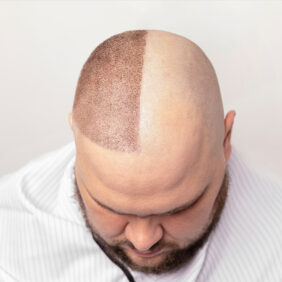
In some cases, another operation may not be the best solution. Medical treatment, scalp micropigmentation, or simply allowing more time for the original transplant to mature may be more appropriate. The decision should be based on a realistic assessment of what can be achieved.
The Donor Area – The Most Important Limitation in Corrective Surgery
The donor area is one of the most important factors when planning a corrective hair transplant. Hair follicles are usually harvested from the back and sides of the scalp, where hair is generally more resistant to the processes responsible for common forms of hair loss. However, the supply of suitable donor hair is limited.
If a large number of grafts have already been extracted during the first procedure, there may not be enough remaining hair to achieve the desired correction. Excessive harvesting can also leave the donor area visibly sparse, making further extraction more difficult and potentially worsening its appearance.
For this reason, corrective surgery requires particularly careful planning. The specialist must assess the number and quality of the remaining grafts, the condition of the donor area, and how the available resources can be used most effectively.
The goal is not simply to transplant as many grafts as possible. It is to improve the appearance while preserving the remaining donor hair for the future. In some cases, a conservative approach or a non-surgical alternative may be the safest option.
Can a Hair Transplant Performed at Another Clinic Be Corrected?
Yes. An unsatisfactory hair transplant can sometimes be corrected even if the original procedure was performed at another clinic, including abroad.
The important factor is not where the first procedure took place, but the current condition of the scalp, the quality of the previous results, and the availability of donor hair. A specialist experienced in corrective procedures can assess what went wrong and determine which aspects of the result may be improved.
Patients seeking correction after surgery at another clinic should provide any available medical documentation, including details of the original procedure, the estimated number of grafts transplanted, and photographs taken before and after surgery. This information can help the specialist understand the previous treatment and plan the next steps.
However, it is important to remember that corrective surgery is often more complex than a first hair transplant. The surgeon must work around existing grafts and any scar tissue while taking into account the limited supply of donor hair.
At Kierach Medical Clinic, patients can seek an assessment of unsatisfactory hair transplant results, including procedures performed at other clinics. Each case requires an individual evaluation to establish which corrective options are appropriate.
Can Every Unsuccessful Hair Transplant Be Corrected?
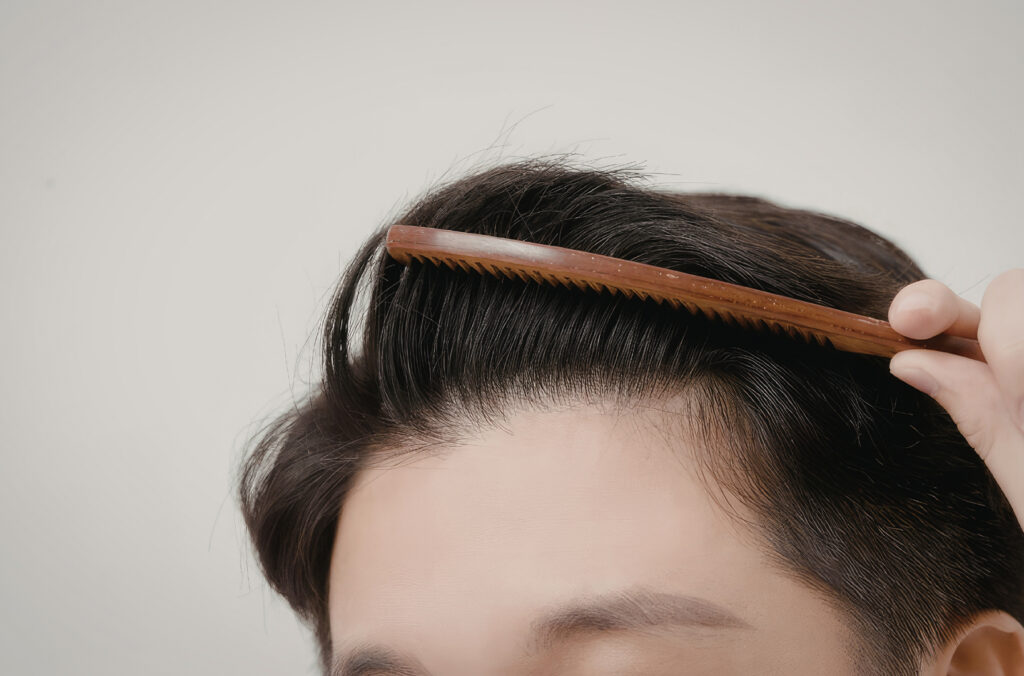
Not every unsatisfactory result can be fully corrected. The possibilities depend on the extent of the problem, the condition of the scalp, the remaining donor hair, and the patient’s expectations.
In many cases, it is possible to improve the hairline, increase density in selected areas, or make scars less visible. However, restoring the scalp to its original condition may not be possible, particularly when the donor area has been severely overharvested or extensive scarring has occurred.
It is also important to distinguish between a result that can be improved surgically and one that may benefit more from a non-surgical approach. If there is insufficient donor hair, for example, scalp micropigmentation may help reduce the visual contrast between the hair and the scalp without requiring another transplant.
A responsible treatment plan should clearly explain both the available options and their limitations. The aim is to achieve a meaningful, natural-looking improvement rather than promise a perfect result that cannot be guaranteed.
How Do You Choose a Clinic for Hair Transplant Correction?
Choosing the right clinic is particularly important when considering corrective hair transplant surgery. These cases can be more demanding than first-time procedures because the specialist must address existing problems while preserving the remaining donor hair.
Look for a clinic that offers a thorough assessment of both the transplanted and donor areas. The consultation should identify the reasons for the unsatisfactory result, explain the available treatment options, and establish realistic expectations.
It is also important that the treatment plan is tailored to your individual situation rather than based on a standard approach. The specialist should explain whether another transplant is advisable, what limitations may affect the outcome, and whether non-surgical options could be beneficial.
Be cautious of promises of a perfect result or guarantees that every problem can be fully reversed. Corrective surgery requires careful planning, and its outcome depends on factors that cannot always be controlled.

Correcting an Unsuccessful Hair Transplant – Summary
An unsuccessful hair transplant can often be improved, but the appropriate solution depends on the cause of the problem and the condition of the scalp and donor area. Common concerns include an unnatural hairline, insufficient density, incorrect graft placement, visible scarring, and changes caused by ongoing hair loss.
Corrective treatment may involve an additional transplant, adjustments to the hairline, scar camouflage, or non-surgical alternatives. Because the donor area has a limited supply of hair, every decision must be made carefully to avoid compromising future treatment options.
The first step is a consultation with a specialist experienced in assessing previous hair transplant procedures. A detailed evaluation makes it possible to determine which improvements are realistic and develop an individual treatment plan focused on achieving the most natural-looking result possible.
Learn more about hair transplants HERE.
If you’re considering treatment, feel free to CONTACT US.
Follow us on Instagram and TikTok.
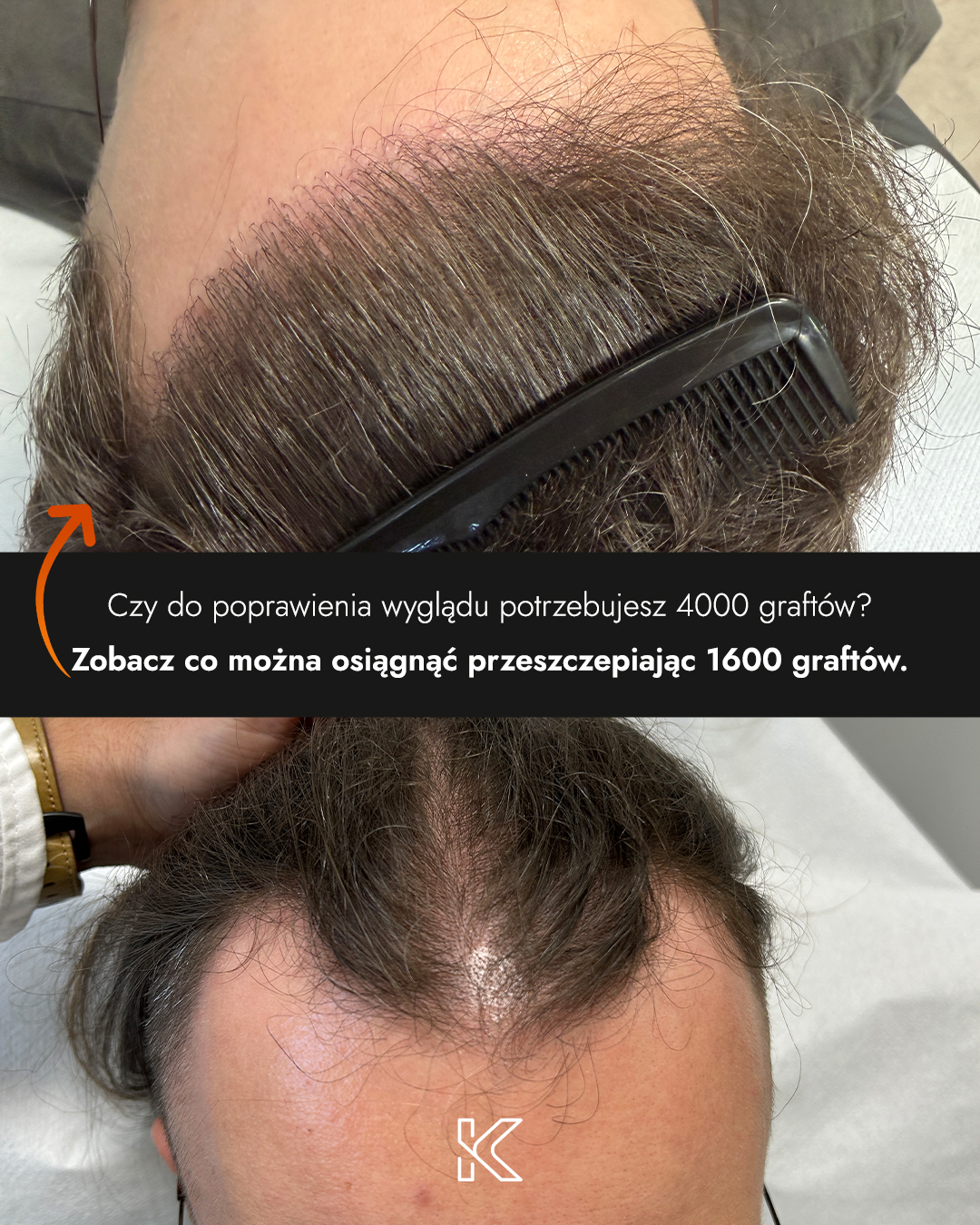
See real transplant results at Kierach Medical Clinic.
Can an unsuccessful hair transplant be corrected?
Yes, in many cases, the results of a hair transplant can be improved. The extent of correction depends on the cause of the problem, the condition of the scalp, and the availability of donor hair.
What problems can be corrected after a hair transplant?
Possible improvements include correcting an unnatural hairline, increasing density in selected areas, improving hair growth direction, and reducing the visibility of certain scars.
Can a hair transplant performed at another clinic be corrected?
Yes, corrective treatment may also be possible after a procedure performed at another clinic, including one abroad. Before recommending treatment, a specialist should assess the existing results, the condition of the scalp, and the donor area’s potential.
Can every unsuccessful hair transplant be fixed?
Not every unsatisfactory result can be fully corrected. Depending on the individual case, surgical revision or non-surgical options, such as scalp micropigmentation, may help improve the appearance.