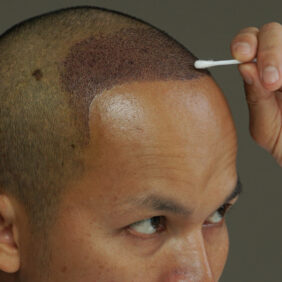
Quick summary: When Is Hair Transplantation Contraindicated?
- Hair transplantation may be contraindicated in people with certain chronic conditions that increase the risk of complications during the procedure.
- Active infections, inflammation, or scalp conditions that require prior treatment may also prevent the procedure from being performed.
- The procedure may not be suitable if the patient has insufficient donor hair to achieve a natural and satisfactory result.
- The final decision on eligibility for hair transplantation is made by a doctor after carefully assessing the patient’s health, the causes of hair loss, and the likelihood of achieving the desired outcome.
Learn more about hair transplants HERE.
If you’re considering treatment, feel free to CONTACT US.
Follow us on Instagram and TikTok.
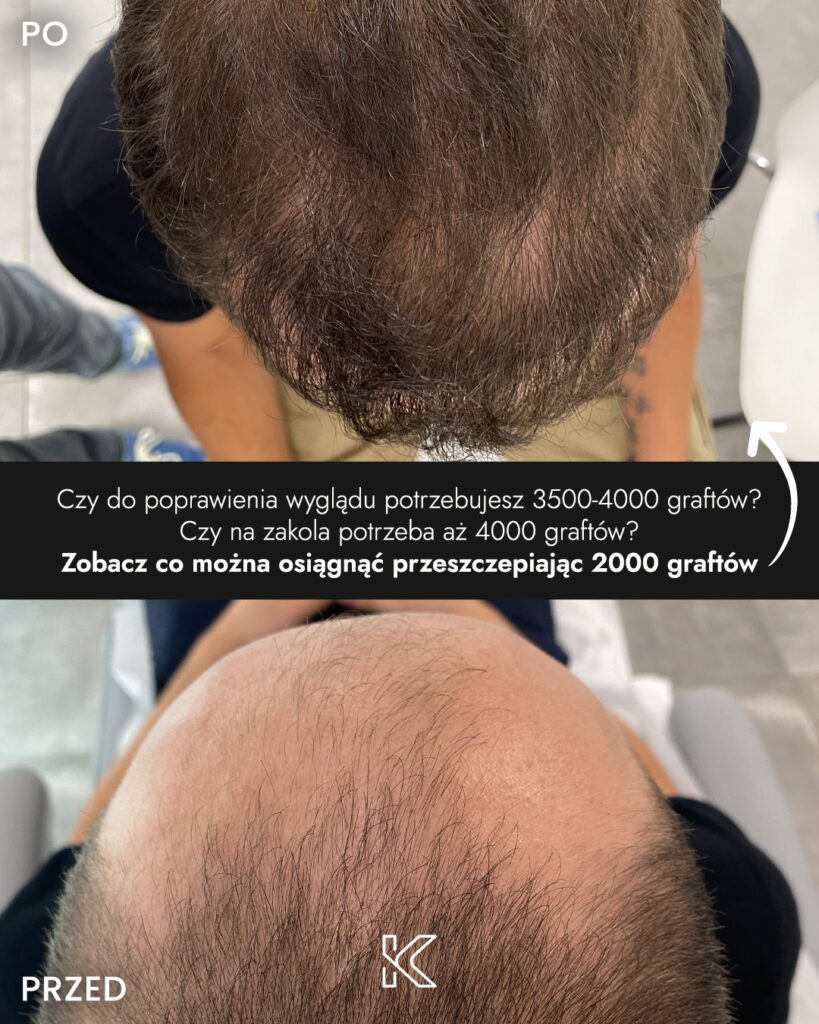
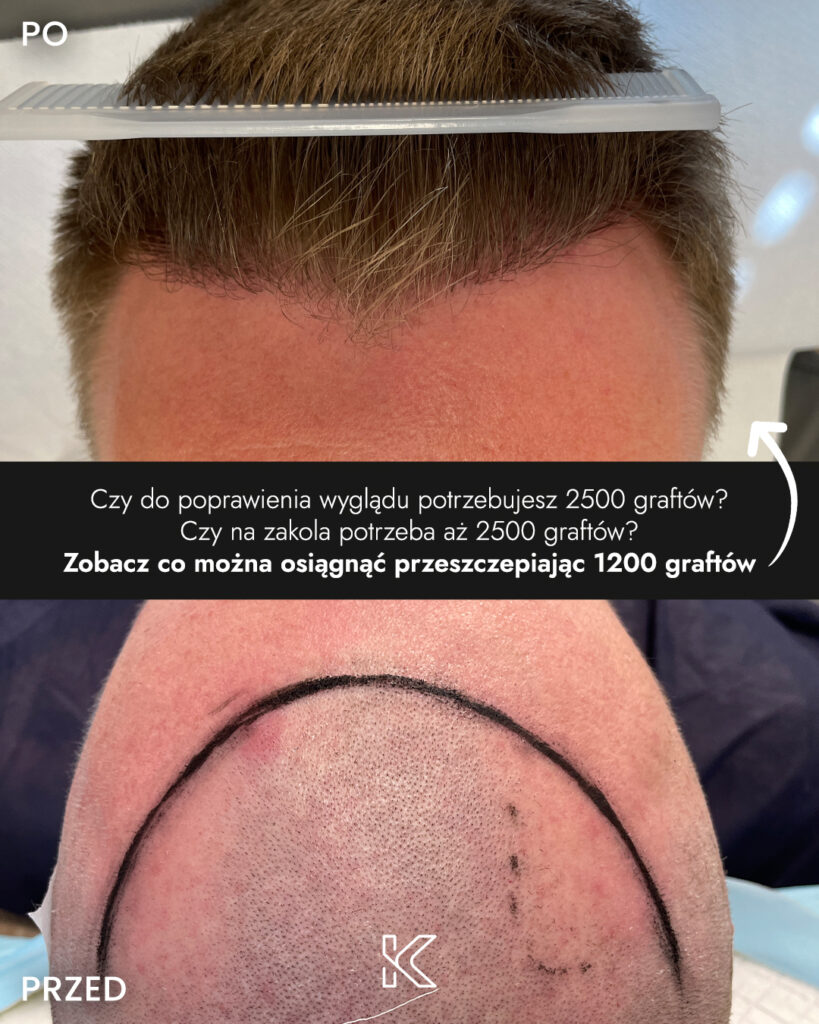
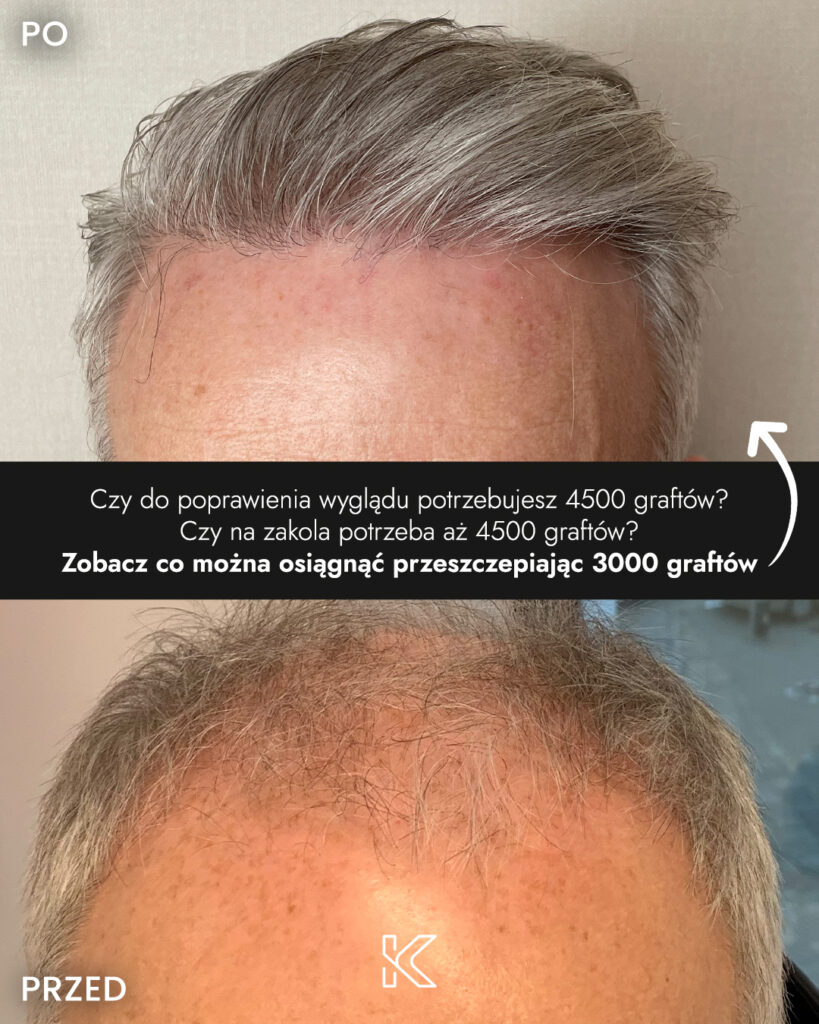
See real transplant results at Kierach Medical Clinic.
Do chronic medical conditions rule out hair transplantation?
Not necessarily. Some chronic conditions may increase the risk of complications, so each patient’s suitability for the procedure must be assessed individually by a doctor.
Are scalp conditions a contraindication to hair transplantation?
Active infections, inflammation, and certain scalp conditions may be contraindications. In most cases, the condition must be treated and stabilised before the procedure.
Can insufficient donor hair make hair transplantation impossible?
Yes. An insufficient number of suitable hair follicles in the donor area may make the procedure impossible or limit the results that can be achieved.
Who decides whether a patient is eligible for hair transplantation?
A doctor determines eligibility following a consultation and assessment of the patient’s health, the causes of hair loss, and the quality and density of the donor area.